Transforming Neighborhoods
Urban Green Infrastructure
Helping to improve the Wabash River starts in our own backyard. Stormwater runoff is a major source of pollution in the Wabash River. Keeping stormwater on your property and letting it soak into the ground is one of the best things you can do to improve water quality in the Wabash River.

Protect your River
Reducing Stormwater Runoff
There are plenty of ways to help protect the Wabash River at home and at work. Explore the variety of options available to transform your backyard or community into an ally of the Wabash River.
Projects that help improve water quality:
- rain gardens
- rain barrels
- bioswales
- streambank stabilization
- native plant gardens
- turf-to-to native plant conversion
- tree plantings
WREC staff can give you free advice on how you can help the Wabash River on your own property. We can give recommendations and point you towards other resources to empower you to make a change. Contact our Watershed Coordinator at the Wabash River Enhancement Corporation to schedule your walk-through and discuss how you can help the Wabash River at home or at work.



Utilizing WREC's funding opportunities
Urban Cost Share
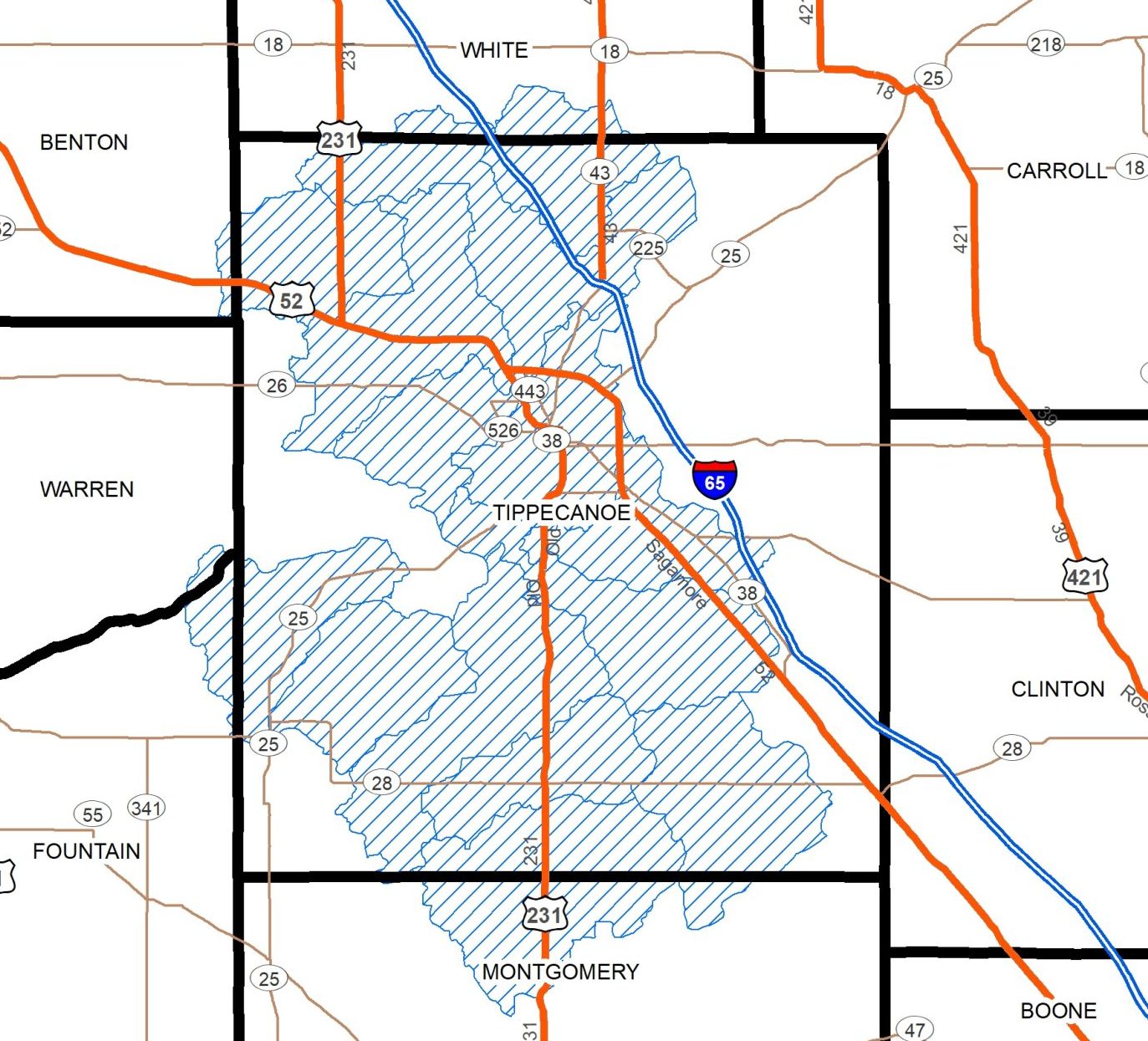
The Wabash River Enhancement corporation is currently accepting cost-share applications to reimburse up to 75% of the total cost for agricultural projects focused on reducing stormwater runoff and improving water quality in the Region of the Great Bend of the Wabash River. To qualify for funding, projects must meet these requirements:
- The parcel must be located within our critical area (blue area in the map to the left). To get a closer look and see if you qualify, click the map or the button to the left.
- Practices must be included on our list of fundable practices above.
- Landowners must have a site visit with WREC staff before submitting an application.
- Projects must be approved by WREC’s cost share committee prior to project installation.
How Our Program Works
Contact WREC to set up a free consultation with us. We will meet you at your site, walk the property with you to discuss your stormwater issues or project ideas, and will follow up with a site visit write-up.
After your consultation, download a paper application or submit your application online. Please include a cost estimate with your application. WREC staff will contact you once we receive your application to discuss your project, obtain site plans, and determine any additional needs to process your application. All projects will be ranked using our standardized urban ranking forms, then reviewed by our urban committees to determine what projects will receive funding.
Completed project applications will be reviewed by the urban cost share committee within one month of the application due date. Once reviewed, WREC staff will forward applications to our funding agency for approval. If approved, WREC staff will meet with grant recipients to sign contracts and discuss project specifics. No work can be completed prior to the contract signature. Additionally, all work must be completed on a reimbursement basis. Any work completed before the contracts are signed will not be reimbursed.
Application deadlines for urban projects are March 15, 2025.
Learning from your Neighbors
Green Tours
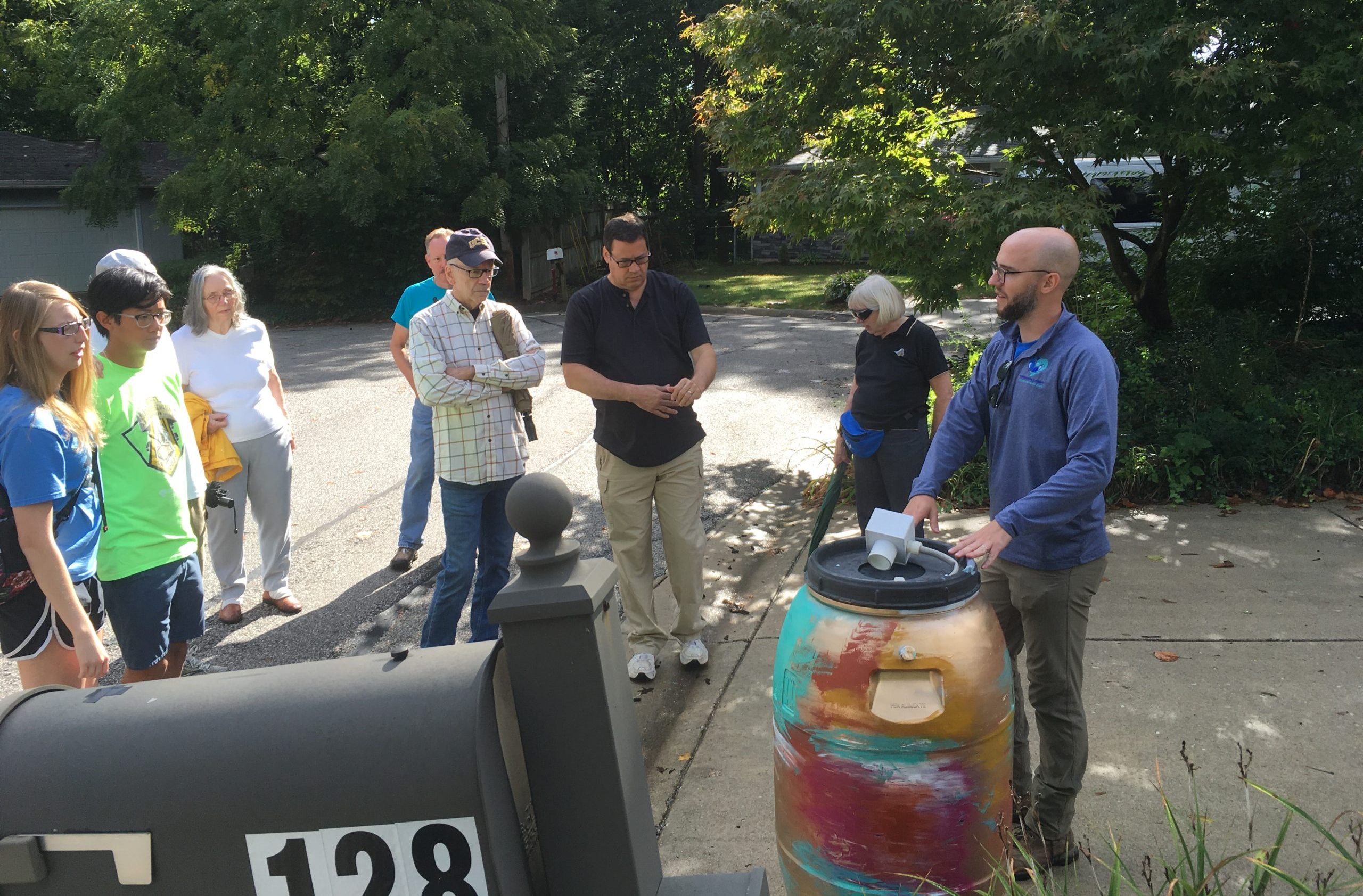
WREC collaborates with our partners host a tour of green practices, highlighting projects your neighbors have completed to improve water quality and pollinator habitat within Greater Lafayette. Join us for a Green Tour to learn how you can transform your backyard or neighborhood into a river-friendly place.
Previous Green Tour topics have included:
- Native Plant seed collecting
- Stormwater management above Happy Hollow Park
- Land restoration along South River Road
- Recycling and wastewater infrastructure
- Urban Sharing Gardens
- Self-guided tour of local green infrastructure
- Walking tour of downtown Lafayette green projects
- Bus tour of industrial and commercial green infrastructure
- Rain barrel workshop
- Land stewardship and community health in the Lincoln neighborhood